
Walking along the tideline at Formby or Ainsdale this time of year, you may have spotted a dark, dog-like head popping out of the surf. Early autumn brings a surge in seal sightings along the Sefton coast, which naturally leads to a spike in curious beachgoers – and plenty of well-meaning but unnecessary emergency calls.
Here is what’s actually going on off our coast, and what to do if you spot one on the sand.
Why they’re showing up
Most seals seen near the shoreline are just passing through. As National Trust Formby notes: “Grey seals are one of the UK’s most fascinating marine mammals and, while they’re only occasional visitors to Formby, you can sometimes spot them bobbing along offshore.” Their main local sanctuary is Taylor’s Bank, a large offshore sandbank lying just off Formby Point. Because it’s completely cut off from the mainland – safe from windsurfers, high tides, and loose dogs – it’s the ideal spot for them to haul out, dry off, and sleep.
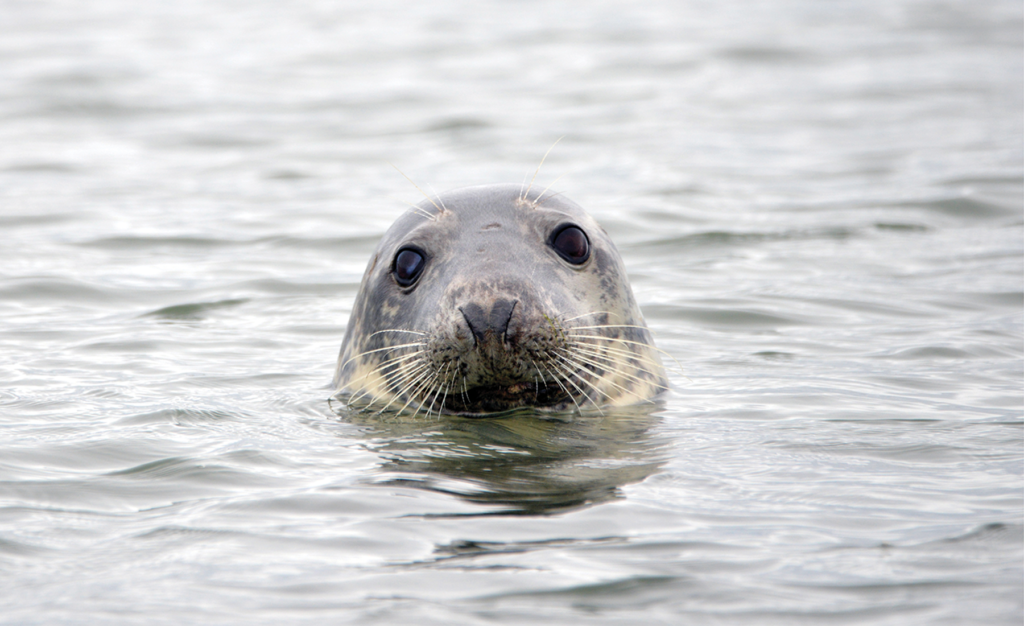
When rough seas or massive tides roll in, individual seals leave the bank and swim ashore to find a quiet patch of beach to wait out the weather.
The story behind autumn pups
Between October and January, visitors occasionally find tiny, fluffy white seal pups resting alone on the beach.
It’s easy to assume they’ve been abandoned, but Sefton isn’t actually a seal breeding colony. Pregnant seals travel to established rookeries in North Wales (like Angel Bay near Llandudno) or up to Cumbria (at South Walney). During autumn and winter storms, young pups can get separated from their mothers or swept out into the Irish Sea. Exhausted by the strong currents, they drift down the coast and pull themselves onto our wide beaches just to collapse and rest.
Resting vs. distress
Seals spend a huge chunk of their lives on land sleeping and digesting food. An animal lying flat on the sand is completely normal behaviour – it isn’t stranded.
However, step in if you notice clear signs of trouble:
- Breathing issues: Heavy gasping, continuous coughing, or sneezing.
- Visible injuries: Open wounds, bleeding, or plastic netting wrapped around the neck.
- Severe weakness: Constant shivering, continuous crying, or an extreme “neck” shape showing behind the head from starvation.
A warning on “seal finger”
Always give seals plenty of space. They look slow and clumsy on land, but they are wild predators with powerful jaws. Beyond the bite itself, seals carry nasty marine bacteria that cause “seal finger” – a severe, deep-seated infection that requires specialist antibiotics to clear.
What to do if you spot one
Never touch a seal, try to feed it, or attempt to push it back into the water. They came ashore specifically to stay dry.
- Give them a wide berth: Stay back at least 50 to 100 meters (roughly the length of a football pitch).
- Leash your dogs: Keep pets on a short lead so they don’t startle the seal into defending itself.
- Call the experts: If the seal is clearly injured or sick, note your exact location—using the What3Wordsapp if you have it—and call the experts directly:
- BDMLR (British Divers Marine Life Rescue): 01825 765546
- RSPCA: 0300 1234 999
- BDMLR (British Divers Marine Life Rescue): 01825 765546
In most cases, a trained medic will pop out, check on the seal, and set up a quiet zone so it can catch up on sleep before heading back out to sea in its own time