
There is a particular moment towards the end of summer when a garden seems to pause between two seasons. The bright colours of August begin to soften, seed heads start appearing where flowers once bloomed, and the first fallen leaves collect beneath the trees.
For many of us, this is when the garden begins to look as though it needs a good tidy-up. Faded flowers are cut back, the lawn is mown, and anything that has become slightly overgrown is brought back under control. But there is a good reason to resist doing too much too soon. As summer gives way to autumn, our gardens can become an increasingly important source of food and cover for the creatures that live in and around them.
This is something particularly worth considering in Sefton. The coastline might be better known for its beaches and promenades, but beyond them lies one of the most distinctive natural landscapes in the country. Rare species such as the natterjack toad and sand lizard can be found among the dunes, red squirrels inhabit the pinewoods around Formby, and the shoreline provides a seasonal refuge for vast numbers of migrating and wading birds.
Our gardens are obviously a long way removed from the coastal dunes, but they can still form part of that wider patchwork of green space. A garden does not need to be enormous, or covered from corner to corner in wildflowers, to make a difference. Sometimes, it is the things we choose not to do that are most helpful.
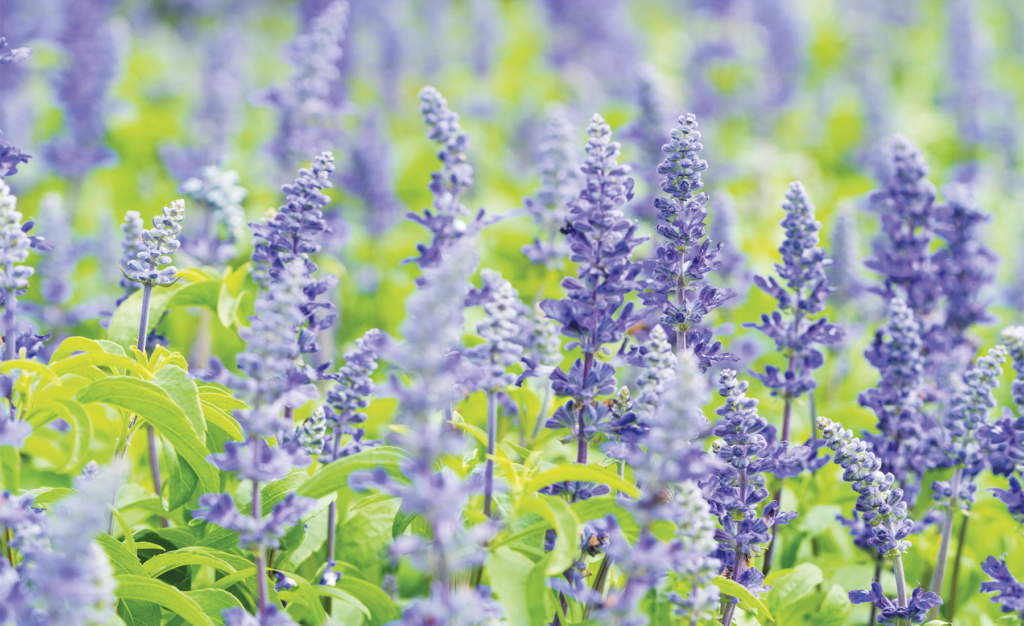
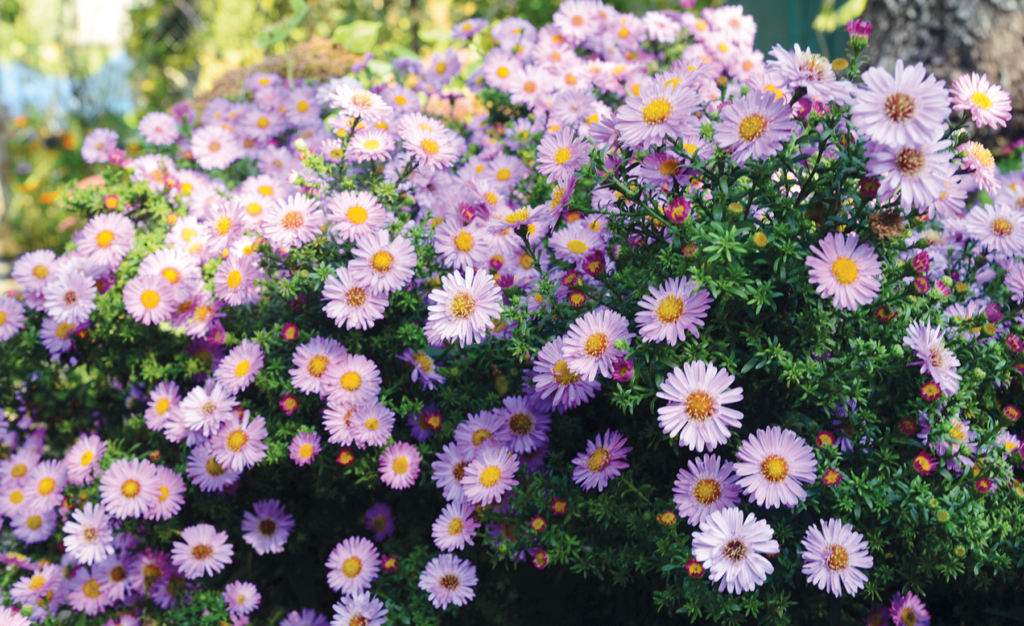
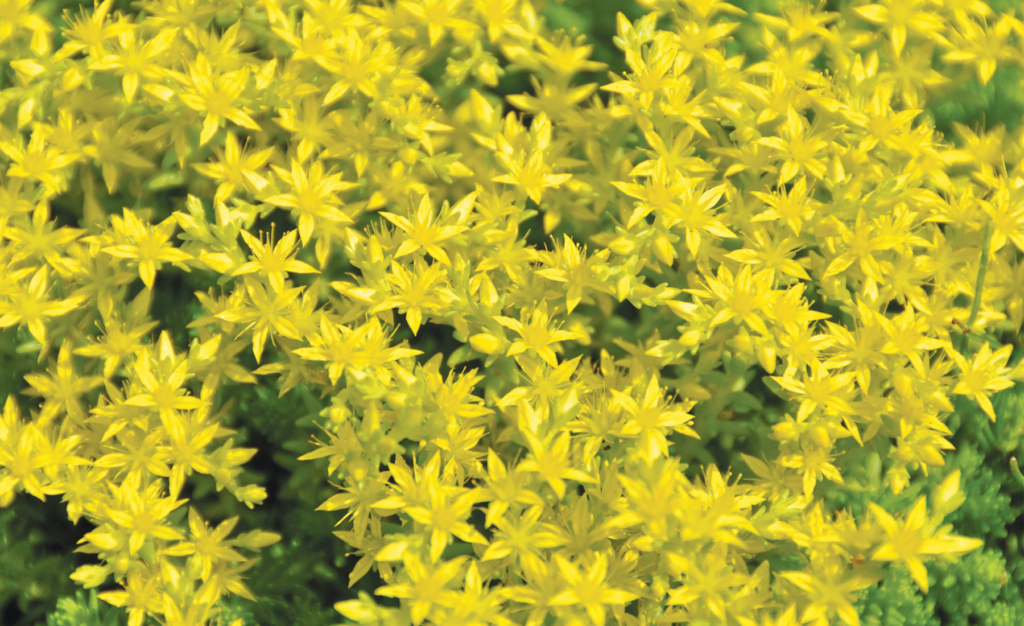
Take the flowers that are still blooming in August and September. By this stage, many of the plants that were covered in bees and butterflies earlier in the summer have already finished, leaving fewer sources of nectar around. Late-flowering plants such as salvias, asters, sedums and single dahlias can keep insects coming back well into the end of the season, adding a final burst of colour just as the garden begins its gradual transition towards autumn.
Ivy is another plant that tends to get overlooked. Its flowers are hardly showy, but their timing is what makes them interesting. Appearing in autumn, when many other plants have stopped flowering, they can become an important food source for bees and hoverflies. If you have ivy climbing over a wall, fence or tree, leaving it alone until after it has flowered could therefore be far more beneficial than reaching for the shears.
It is easy to overlook water too. A shallow dish is enough if space is limited, while a few pebbles placed inside can give insects a safe place to land and drink. Keeping the water clean and topped up is more important than having anything elaborate, and if you have room for a pond, aquatic plants can introduce another habitat altogether.
The lawn can also be given a little more freedom. There is no need to abandon the mower completely, but allowing some sections to grow longer creates conditions that are very different from those found on a uniformly short lawn. Longer grass can harbour spiders, beetles and other insects, as well as giving small mammals somewhere to move and hide. Keeping paths and regularly used areas short while leaving a few patches to grow can be a good compromise, particularly if you still want the garden to look cared for.
Rather than clearing every fallen leaf as soon as it lands, try leaving some beneath shrubs or moving them into a quieter corner of the garden. The same approach can be taken with branches and twigs. A small branch pile does not require much space, and over time it will begin to break down and attract a succession of insects and other creatures.
A compost heap can have a similar effect. Of course, its main purpose is to turn garden waste and vegetable peelings into useful compost, but an open compost bin can also become home to decomposing insects and creatures such as frogs and slow worms. What begins as a practical gardening project can quietly become another small habitat.
For hedgehogs, one of the most useful additions might be something you barely notice at all. These nocturnal visitors can travel considerable distances in search of food and shelter, but fences and walls can turn gardens into a series of disconnected islands. Creating a small opening of around 13cm by 13cm at the bottom of a fence allows hedgehogs to pass between neighbouring gardens. If several households along a street do the same, those tiny gaps can become a much more substantial route through the neighbourhood.
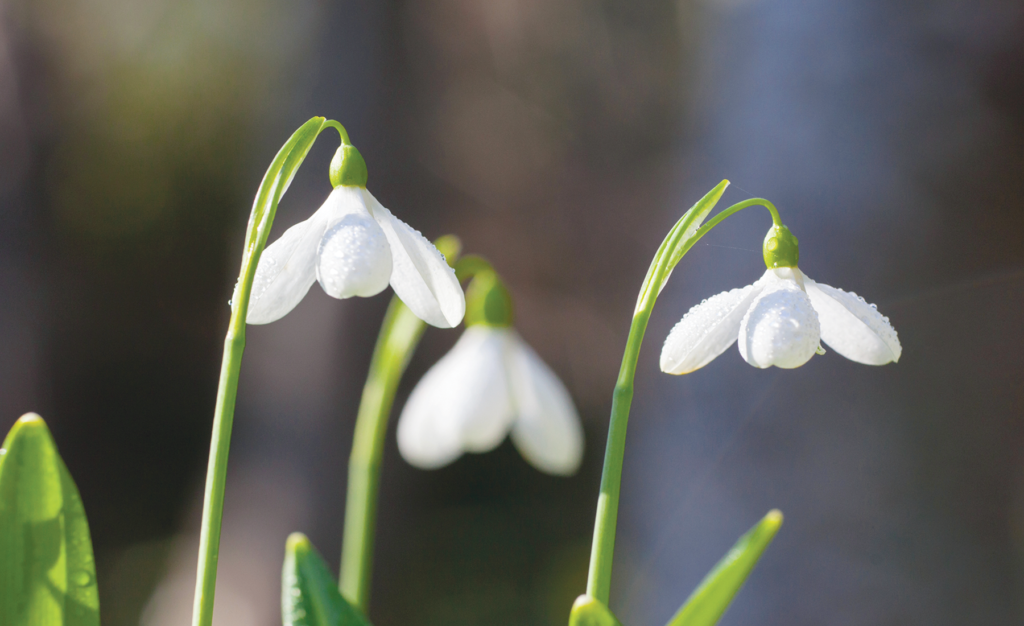
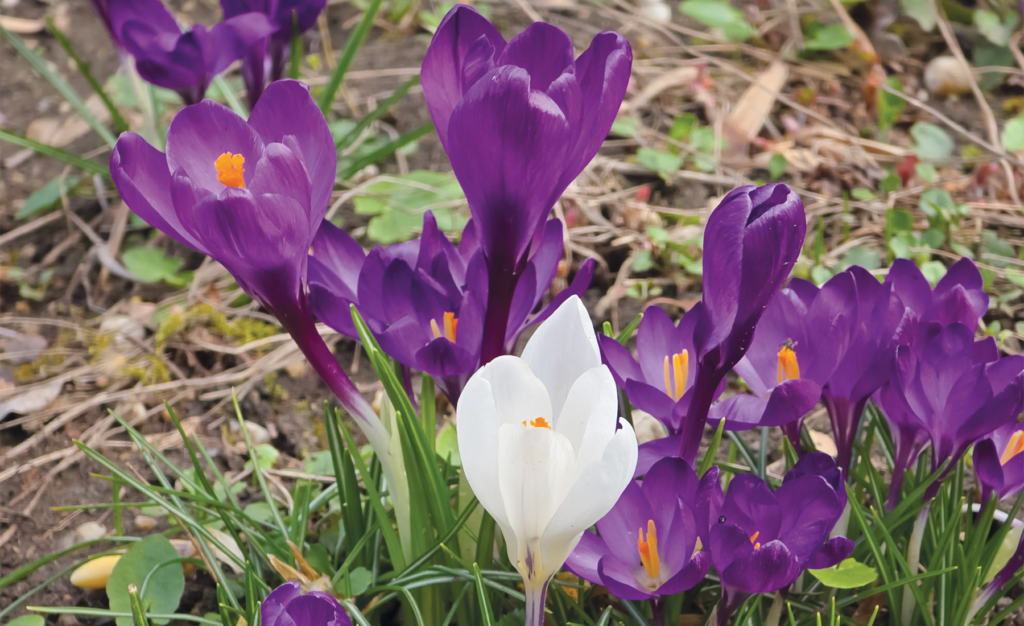
As September arrives, there are also opportunities to think beyond the immediate change of season. Spring bulbs such as snowdrops and crocuses can be planted now, ready to offer some of the earliest nectar to pollinators when they emerge next year. If you have a hedgehog house, this is also a good time to check that it is dry and sheltered before colder weather arrives, with suitable bedding such as fresh straw ready for the months ahead.
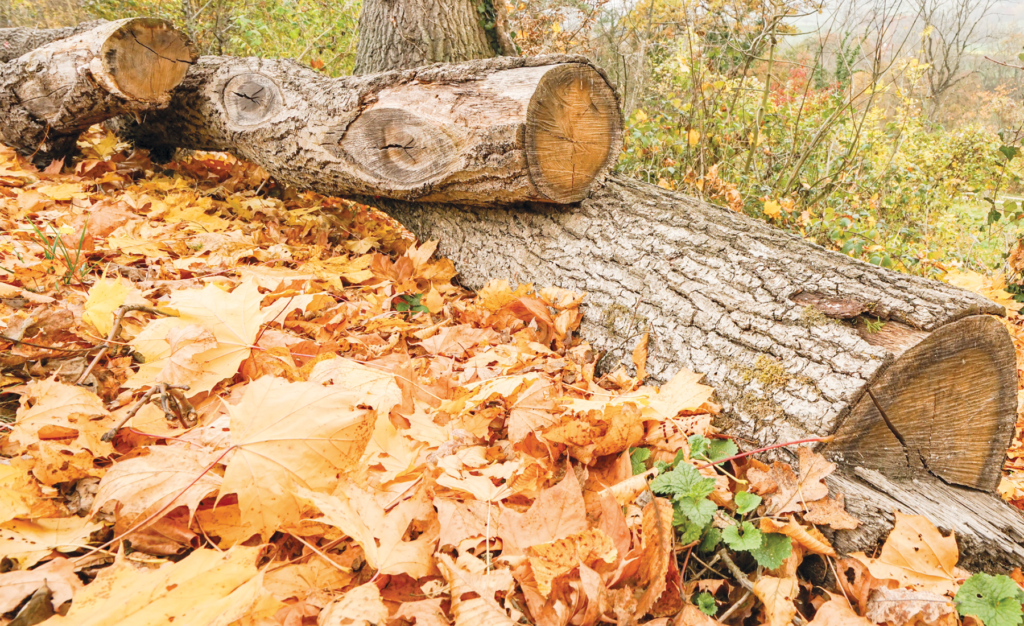
None of this means that a wildlife-friendly garden needs to become an overgrown wilderness. There is room for neatly trimmed paths, colourful borders and a well-kept lawn alongside a patch of longer grass or a pile of logs tucked out of sight. The idea is not to stop gardening altogether, but to think a little more carefully about what gets removed and when.
So as summer begins to slip into autumn, there is no need to rush to clear everything away. Leave a few seed heads standing, let some grass grow, keep a dish of fresh water topped up and give the fallen leaves somewhere to settle. The garden may look slightly less pristine, but if you stop and look closely, you might find that it has become considerably busier.