Southport has grand Victorian streets, a famous pier, and seaside attractions. But travel a little farther north, and you reach a village that was here centuries before Southport even began to take shape. Churchtown has watched the coastline shift, seen a small settlement grow into a bustling resort and quietly held on to its own identity along the way. Its history stretches back to the Vikings, with tales of shipwrecks, travelling monks and an innkeeper whose ambitions helped put Southport on the map.
The village grew around St Cuthbert’s Church, at the heart of the ancient parish of North Meols. The name Meols is thought to derive from a Scandinavian word for sandbanks, a linguistic clue to the Norse settlers who made their home along this exposed stretch of coast.
By the time the Domesday Book was compiled in 1086, the area was recorded as Otegrimele. The sea once reached much further inland than it does today, and excavations near the gates of Meols Hall uncovered evidence of an old wooden landing stage buried several metres below ground. The coastline we know now would have been difficult for those early inhabitants to imagine.
At the centre of it all stands St Cuthbert’s Church. Local tradition holds that monks carrying the remains of St Cuthbert stopped here in the ninth century while fleeing Viking raids in the north. The story has never been easy to separate from legend, but the church has been a place of Christian worship for more than 825 years. The first recorded rector, Adam the Clerk, was serving in 1178. The present building largely dates from the 18th century, with later alterations, but it occupies a site whose religious history reaches much further back.
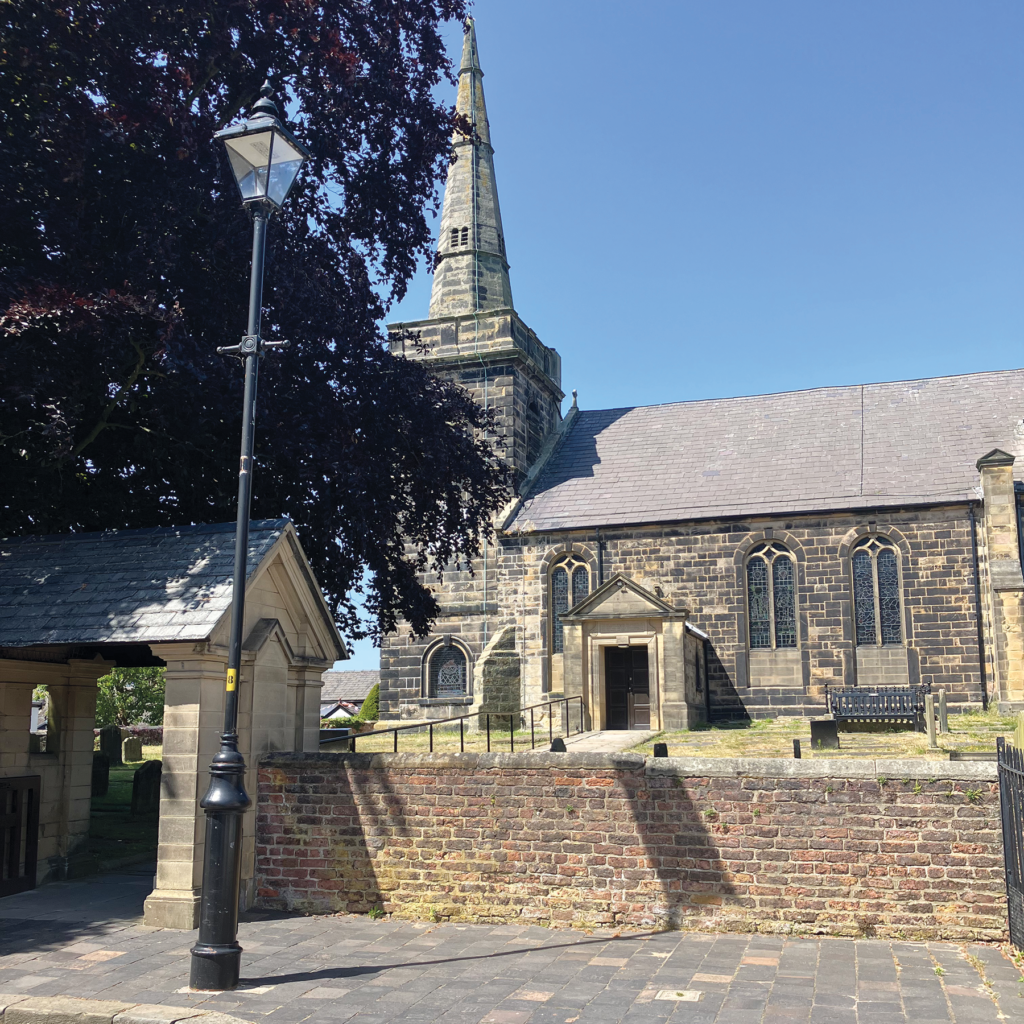
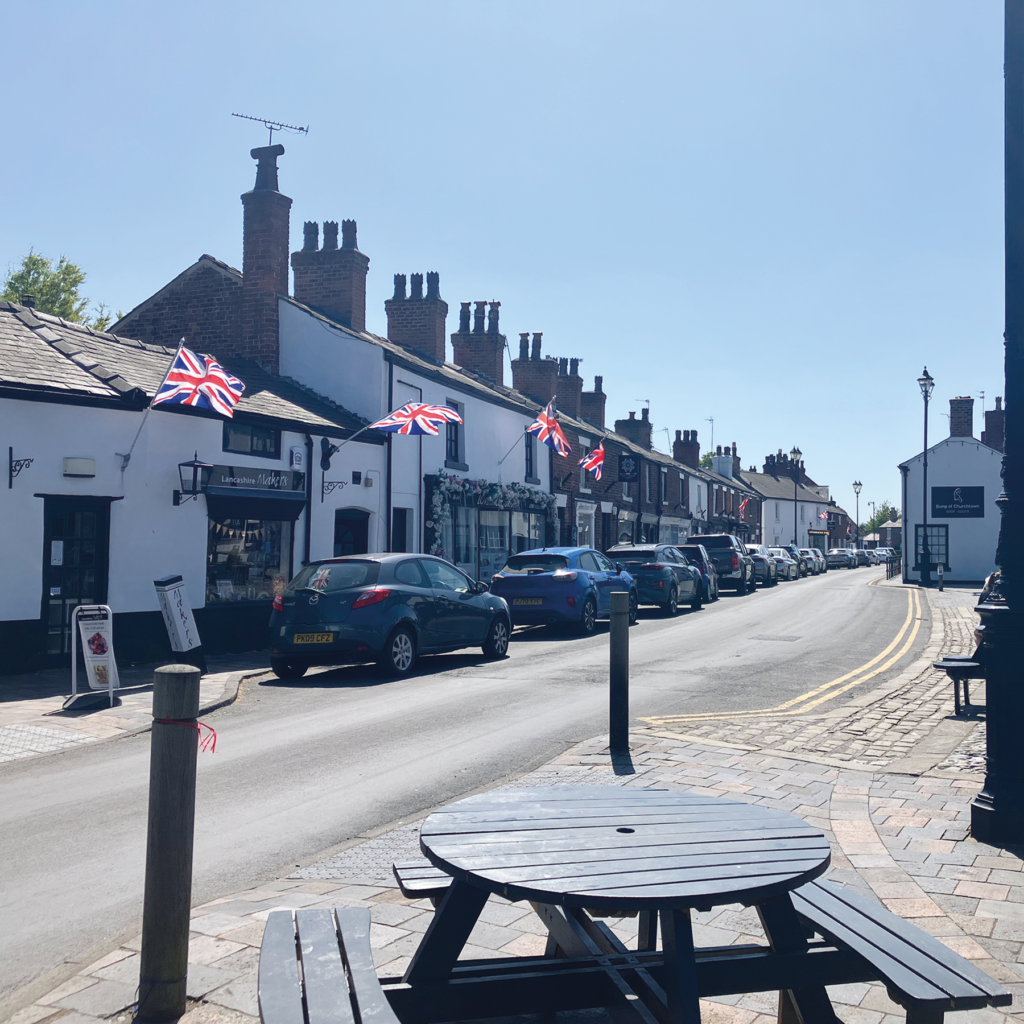
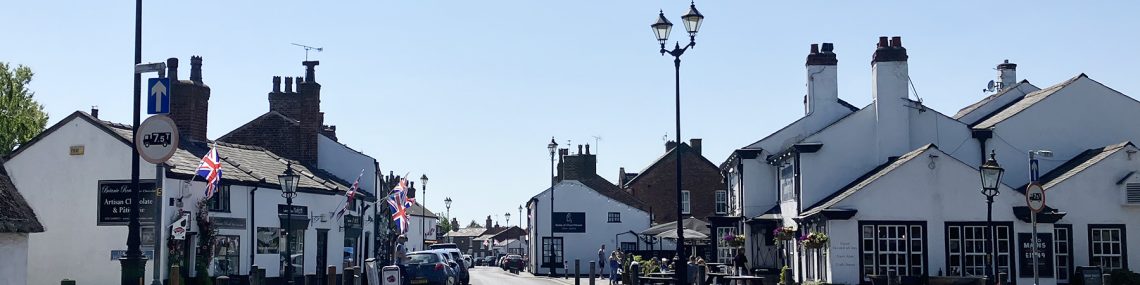
Beyond the church, the village green is framed by the Bold Arms and the Hesketh Arms, with the entrance to Meols Hall close by. The hall has medieval origins and has been associated with successive local families, including the Heskeths, who became closely connected with Churchtown over the centuries. The present building has been altered and restored, but its long history reflects the importance of the estate and the people who owned the surrounding land.
Look around the older streets and another side of village life comes into view. Whitewashed cottages, thatched roofs and modest buildings give the historic centre much of its character. Some traditional homes in the area were built using timber frames and locally available materials, including mud and straw. The survival of older properties along Botanic Road and elsewhere is part of what makes Churchtown so distinctive today, and much of the village centre is protected as a conservation area.
Near the church wall, the old wooden stocks offer a less comfortable glimpse of village life. Erected in 1741, they were used to punish offenders in public, and are said to have last been used in 1860. It is an odd thought that a piece of street furniture now easily passed on a walk once formed part of the village’s system of punishment.
Churchtown’s influence reaches beyond its own boundaries, too. In 1792, William Sutton, landlord of the village’s Black Bull Inn, saw an opportunity in the growing fashion for sea bathing. He established bathing facilities and accommodation further down the coast at a place known as South Hawes. The venture helped lay the foundations for Southport, which grew into a fashionable seaside resort during the following century. The Black Bull later became the Hesketh Arms, so the pub beside the village green is linked to the beginnings of the town that eventually grew around it.
Not every story from Churchtown is quite so easy to verify. Local accounts tell of a shipwreck in 1575 that washed a cargo of potatoes ashore, leading to the claim that Churchtown was among the first places in England where they were grown. It is a wonderfully unusual piece of local lore, although the precise claim is difficult to establish with certainty.
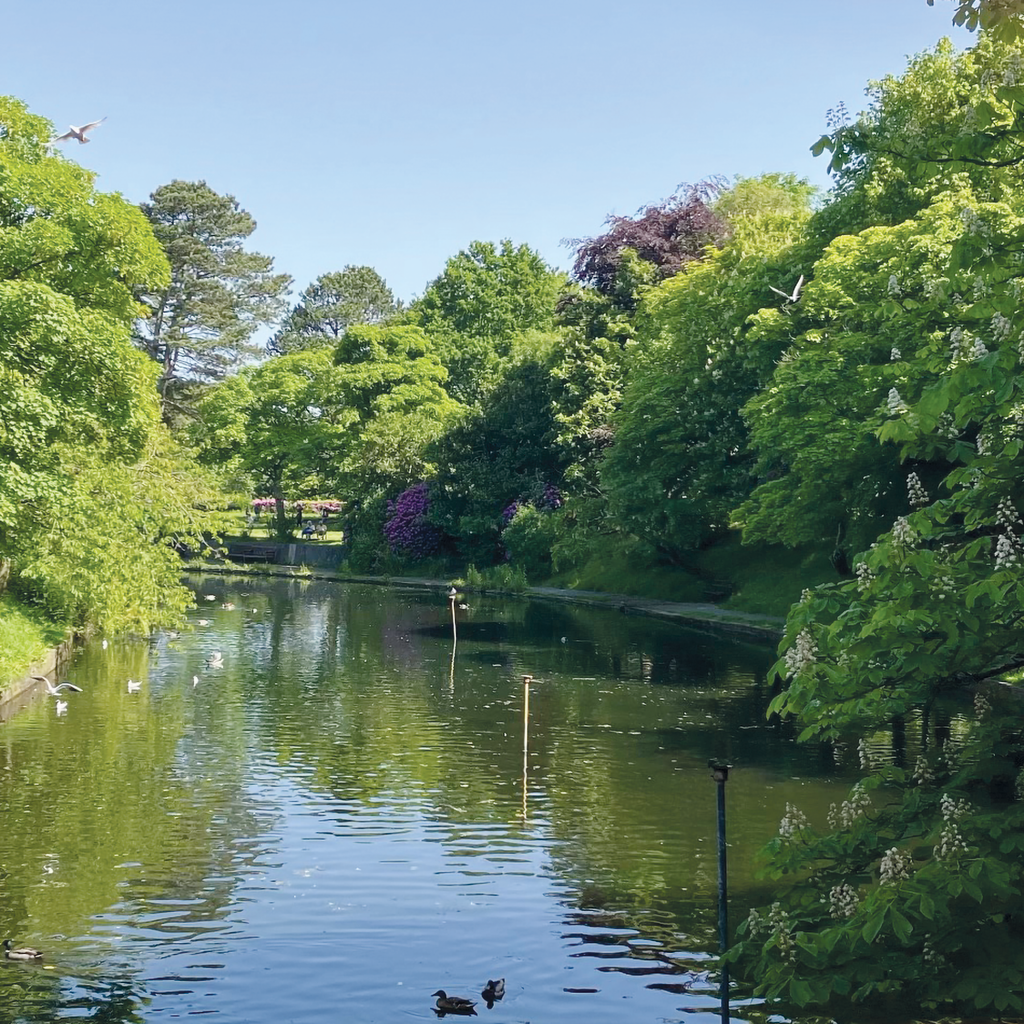
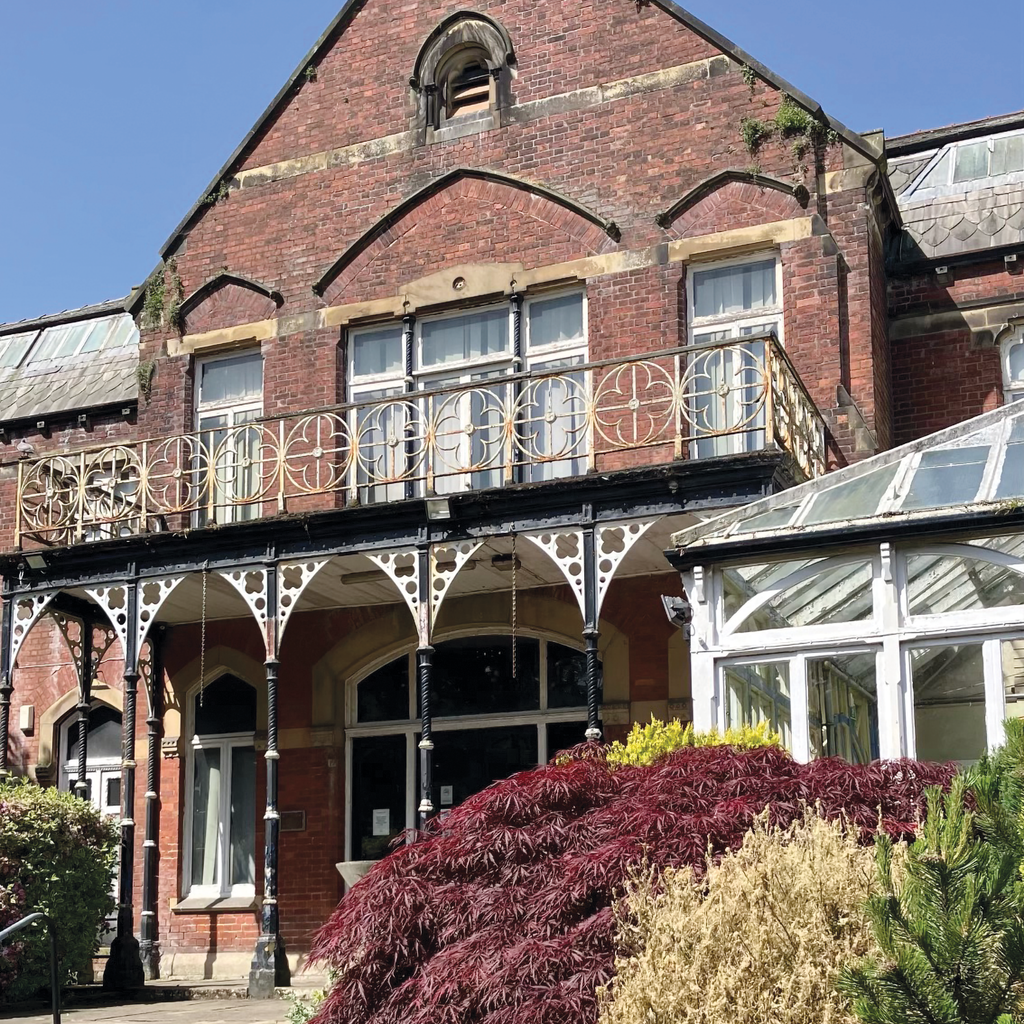
Then there are the Botanic Gardens, opened in 1875 after local investors acquired land to create a place of recreation and horticultural interest. Their Victorian layout, lake, fernery and conservatory made them a popular attraction. The gardens eventually closed as a commercial venture and were later saved for public use, reopening in 1937. Today, they offer a different kind of escape, with winding paths and greenery just a short walk from the historic village centre.
For all its centuries of history, Churchtown has never become a place frozen in time. Southport expanded around it, roads and houses changed the surrounding countryside, and the shoreline retreated. Yet the old village green remains, the church still stands at the centre of the settlement and the cottages continue to give the streets their distinctive character.
You can walk around Churchtown in an afternoon and explore the many independent shops and boutiques, stopping at the gardens, peering into the churchyard or settling in at one of the village pubs, cafes and restaurants. But look a little closer, and the place becomes much more than a picturesque corner of Southport. It is a settlement shaped by the sea, marked by the Vikings, home to generations of local families and, ultimately, the place from which Southport itself began to grow.