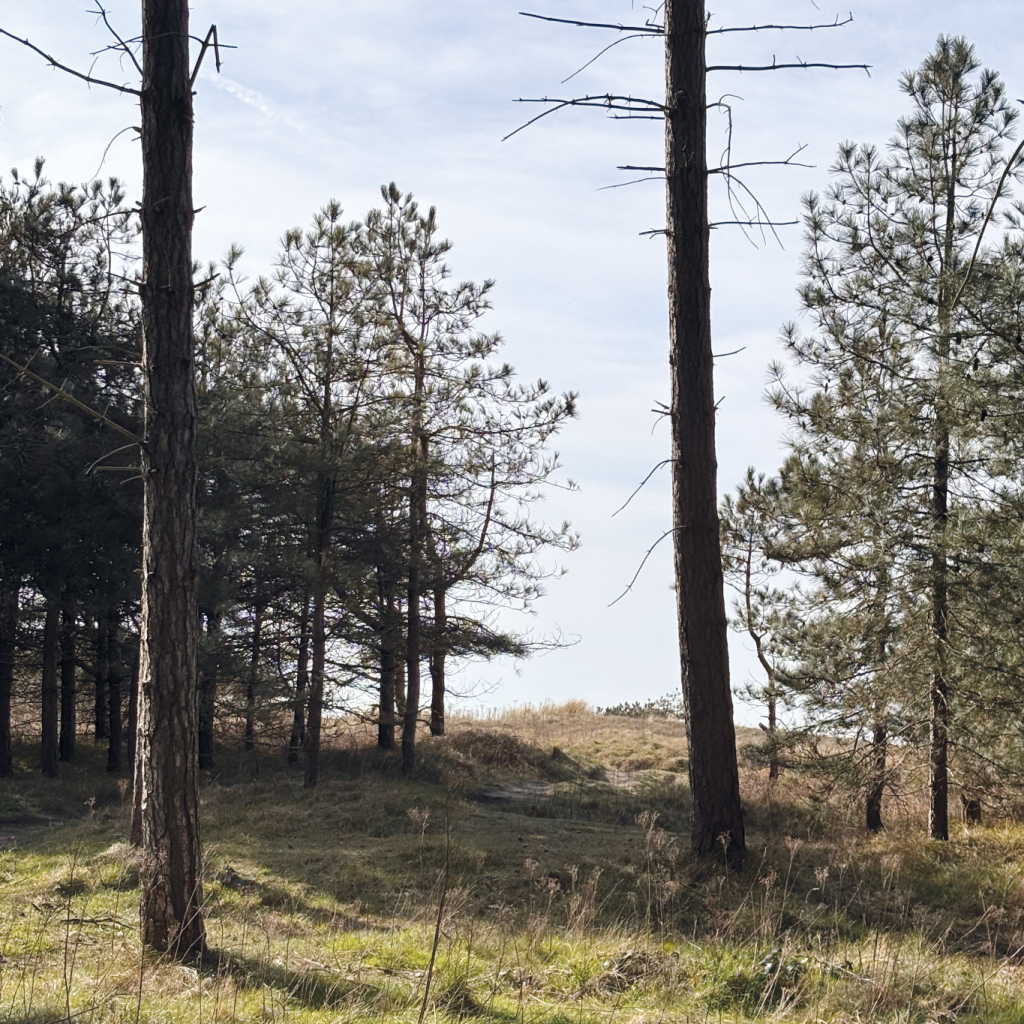
Formby is usually talked about for its dunes. The shifting sand, the pinewoods, the feeling that you’ve stepped slightly outside of everything else for a while. It’s the kind of place people think they already understand before they get there. But there’s another layer to it that’s much easier to miss, and once you notice it, the landscape feels slightly different.
Because those open stretches of sand and grass were not always just left to their own devices. For a long time, they were worked on. Carefully, repeatedly, and on a surprisingly large scale. Before the Second World War, Formby was known for asparagus, and not in a vague or occasional way. It was one of the area’s defining industries.
From the mid-19th century, farmers began reshaping the dunes into small, levelled plots known as “pieces”. It meant flattening unstable ground, managing sand that didn’t naturally want to stay put, and turning it into something that could sustain a crop. It sounds impractical, but the conditions proved ideal when handled properly. The sandy soil allowed for excellent drainage, which asparagus thrives on, but it needed help to remain fertile.
That help came from Liverpool. As the city grew, so did its sanitation problem, and an official named Thomas Fresh devised a system to transport human waste out of the city by train. What could have remained just a public health solution became something more circular. The waste, referred to as “night soil” (interesting name), was brought to Formby and Freshfield and used as fertiliser on the fields. It was cheap, readily available, and, crucially, effective.
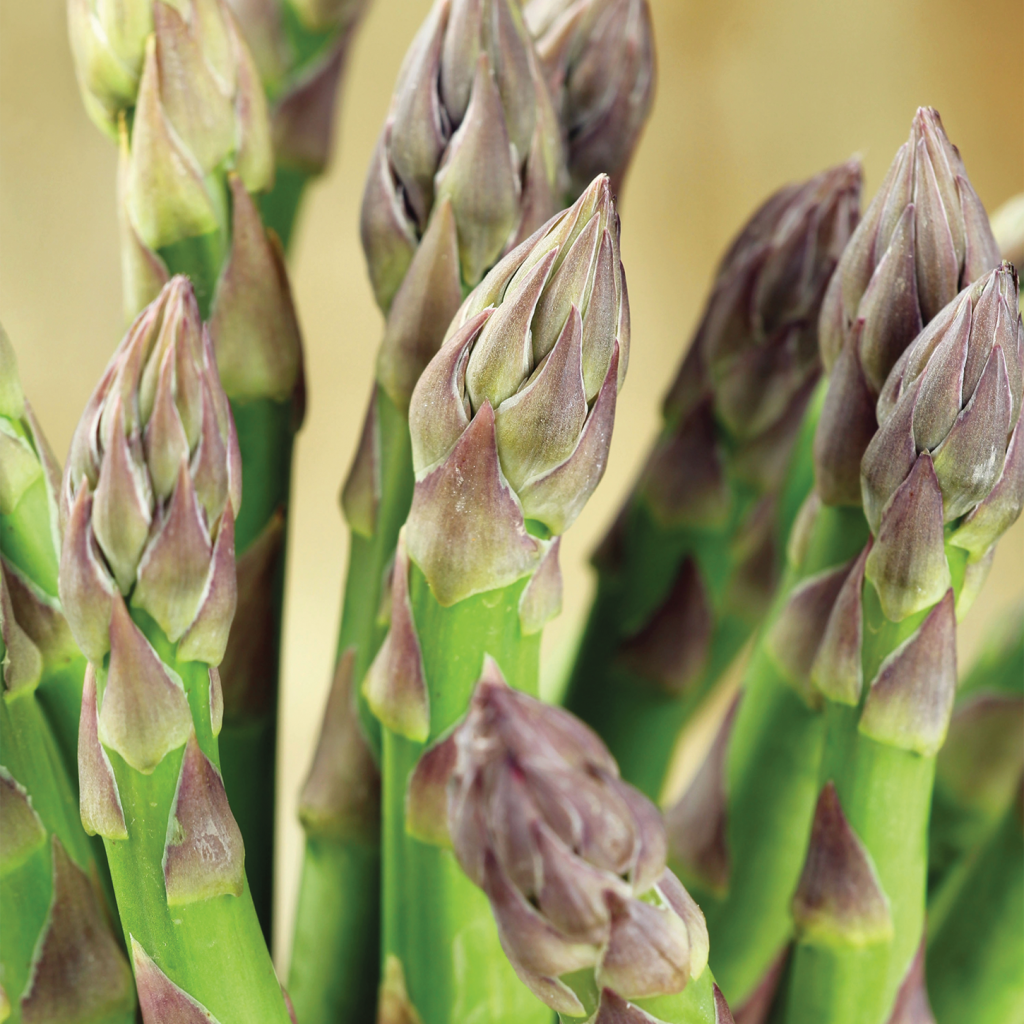
The result was a crop that gained a serious reputation, as Formby asparagus was considered top class, shipped daily into Liverpool, and sent on to London buyers too. There is even a long-circulated suggestion that it was served to first-class passengers aboard the RMS Titanic, which, confirmed or not, reflects just how highly regarded it had become.
At its peak in the 1920s and 30s, around 200 acres in the area were given over to asparagus cultivation. Entire families were involved in the process. Harvesting was done by hand using specially shaped knives designed to cut the spears cleanly without damaging the plant. The shoots were gathered into bundles, tied with raffia, washed, packed into hampers, and sent off quickly while still fresh. The season itself was short, running from St George’s Day in April through to the summer solstice in June, which meant everything about the work was time-sensitive and intensive.
What is striking now is how little of that remains visible. After the war, several changes converged. Improvements in Liverpool’s sewage systems removed the steady supply of fertiliser that the farms had relied on, while increasing pressure on land use made large-scale cultivation harder to sustain. Gradually, the acreage declined, shrinking from those hundreds of acres to just a tiny fraction today.
And yet, somehow, it has not disappeared entirely.
At Larkhill Farm on Wicks Lane, the tradition still survives through David Brooks, a fifth-generation grower whose family history with Formby asparagus stretches back to the early 1900s. In a way, that feels remarkable in itself. Something that could easily have faded into local folklore still exists physically, seasonally, tangibly. You can still drive down the lane during asparagus season and buy freshly cut bundles from the farm gate, often harvested only hours earlier. Not recreated for nostalgia or preserved behind glass somewhere, but still grown and cut in the same landscape it always was.
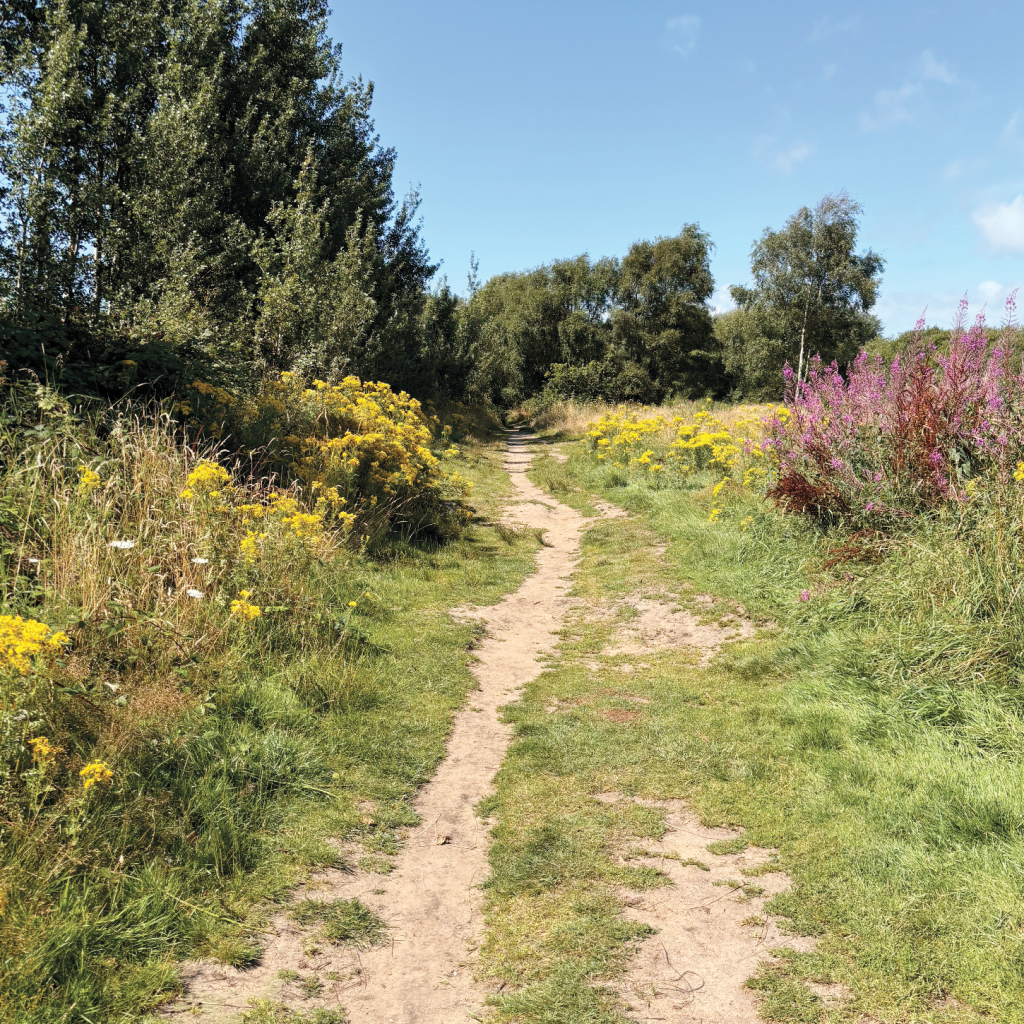
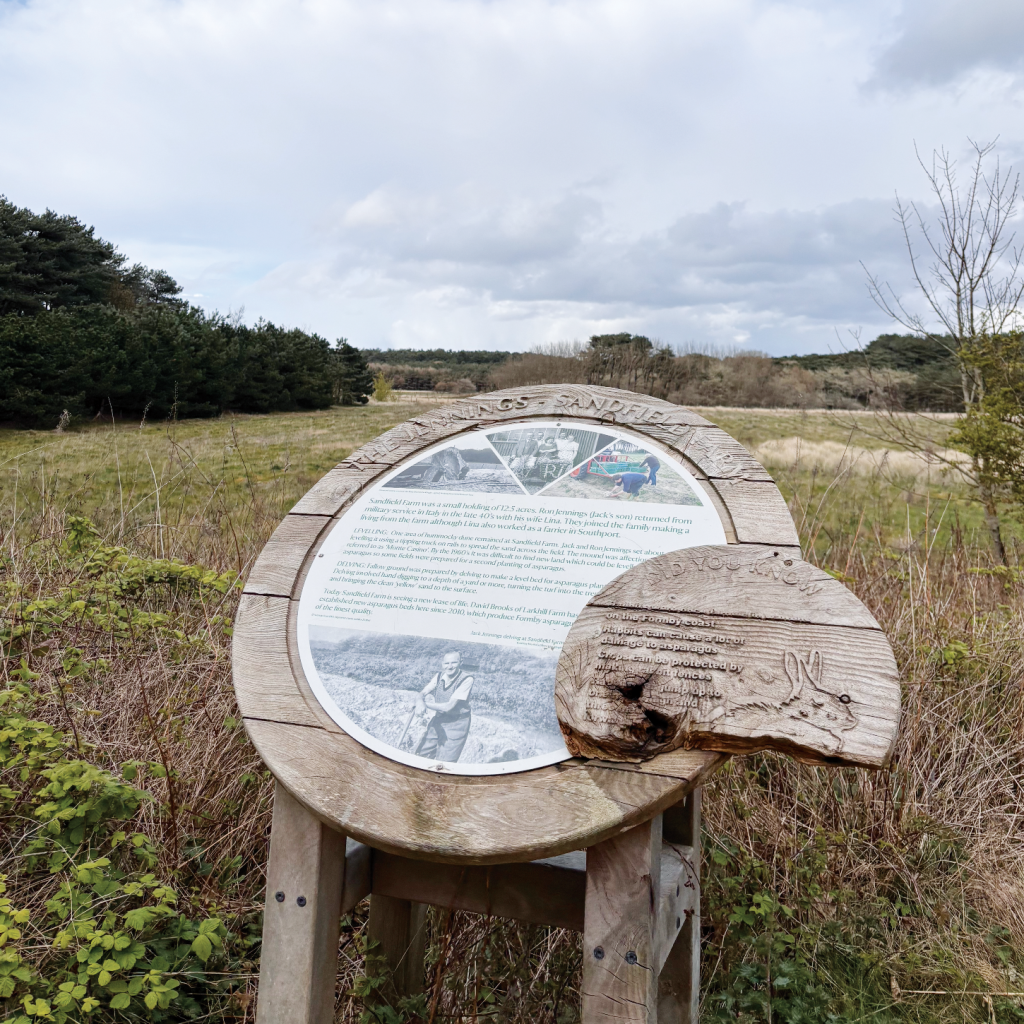
Walking the area now, particularly along the Asparagus Trail, it does not immediately present itself as a place shaped by agriculture. The route moves through woodland and open, sandy fields that feel natural, even untouched. But that impression is slightly misleading. Some of those fields were once carefully prepared growing spaces. Some of the dips and changes in the land hint at earlier work, including a process known as “delving”, where trenches up to a yard deep were dug by hand, the turf turned, and fresh sand layered on top to refresh the soil. It was physically demanding, repetitive labour, the kind that leaves more of an imprint in history than in the ground itself.
There are quieter traces too. Stories tied to specific families who worked the same land across generations, adapting as conditions changed. Accounts of horses being used well into the late 20th century because they could move through the narrow furrows without becoming stuck. Small details that build a picture of an industry that was once both local and internationally connected.
And that is perhaps what makes it so compelling now. There is no single landmark that defines this history, no preserved site that gathers it all together. Instead, it exists in fragments, in information boards, in the memory of the landscape, and in the few remaining fields still in use. It is something you have to piece together as you move through it.
Formby still offers the dunes people come for. That part has not gone anywhere. But alongside it, and just beneath it, is the memory of something more structured, more industrious, and, in its own way, just as distinctive.